The last full week of September kicked off nicely with a Glossy Ibis at Summer Leys and ended on the same note. However, from the get-go, heavy downpours off the near continent and in from the Atlantic persisted throughout the period, resulting in all-out flooding of the Nene Valley, considerably widening the choice of wetlands for any visiting birds associated with them. Conversely, the choice for birders became more limited as rising water levels effectively cut off access to a number of favoured areas.
Despite being nice weather for ducks, as they say, there was little new in the way of dabblers and divers this week and it’s overwhelmingly likely that the Pink-footed Goose found with Greylags, at Hollowell Res on 24th, was last week’s bird from not-too-distant Naseby Res. Once again, the female Ruddy Shelduck was seen on the dam at Ravensthorpe Res on 22nd and, at Stanford Res, the number of Red-crested Pochards had nudged up to seven well before the end of the week. A new Red-crested Pochard appeared at Boddington Res on 26th and was still present the next day.

Sticking with Boddington, the reservoir was added to the list of sites producing Black-necked Grebes this autumn when one was found there on 24th. Like last week’s bird, though, it had disappeared by the following day.

It’s late September and we’re now seeing a wind-down in wader passage with just two species featuring in the week’s tally. Two Black-tailed Godwits visited Stanwick GP on 22nd, the same date seeing two Ruffs fly over Stanford, followed by one discovered at an extensively flooded Summer Leys on 27th.
More was to unfold at Stanwick where, as we moved into day 2 of the period, a gull passing through, initially identified as a first-winter Kittiwake, is now believed more likely to have been a juvenile Sabine’s Gull. With one in Leicestershire on the same date and another in Derbyshire two days later, it would seem in all probability that this was, frustratingly, the one that got away …
Not quite measuring up to the above but certainly in no shadow of a doubt, a first-winter Little Gull visited Boddington on 23rd. Two first-winter Mediterranean Gulls also appeared this week, although both moved quickly on. The first was at Stanford on 22nd, the second at Daventry CP three days later, on 25th. The period’s Caspian Gulls comprised a first-winter and near-adult at Daventry on 23rd and two adults – including the regular, loitering, German-ringed individual – at Naseby Res on 24th, one of which remained the next day. Pitsford held up to two adult Yellow-legged Gulls between 21st and 24th, while a first-winter appeared at Boddington on 26th.
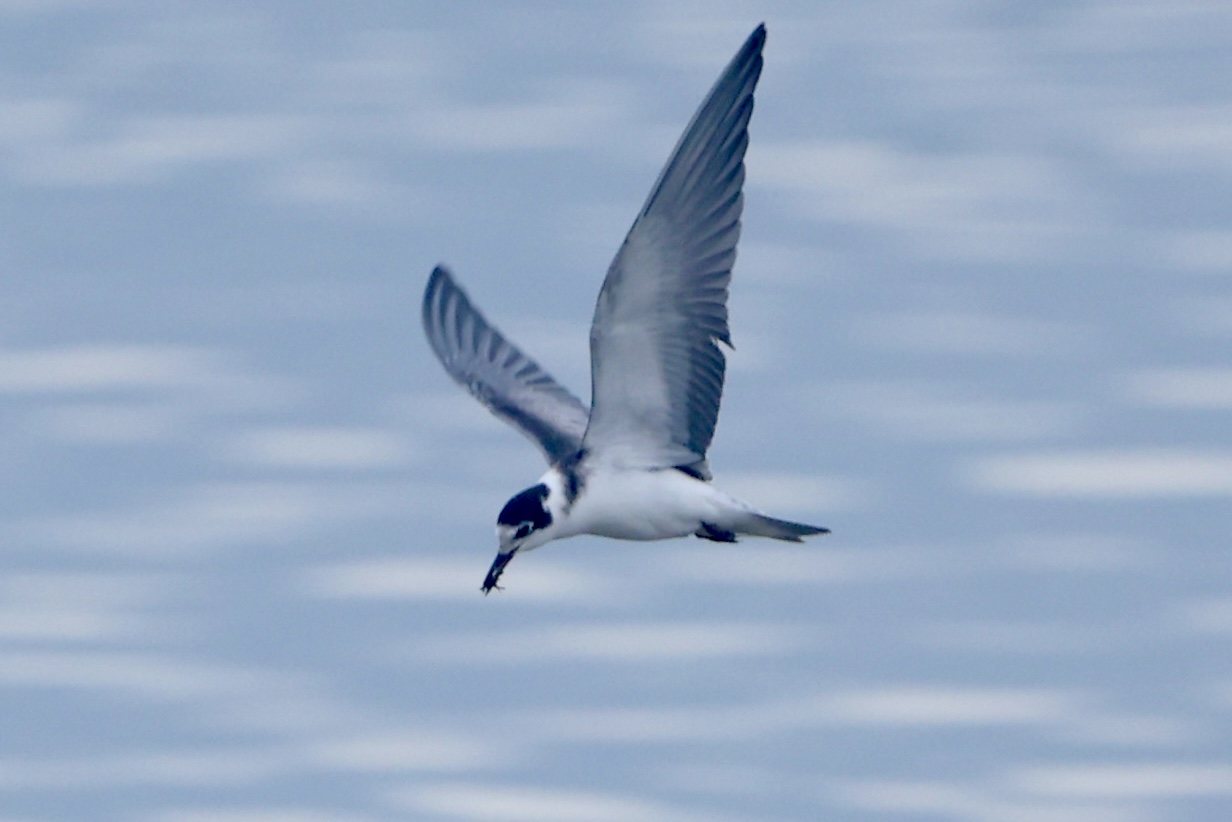
Following a recent run of records from several localities, including Clifford Hill GP, during the second week of September, Black Terns were back in the frame at the latter locality with three juveniles there on 24th being joined by a fourth individual from 25th to 27th.


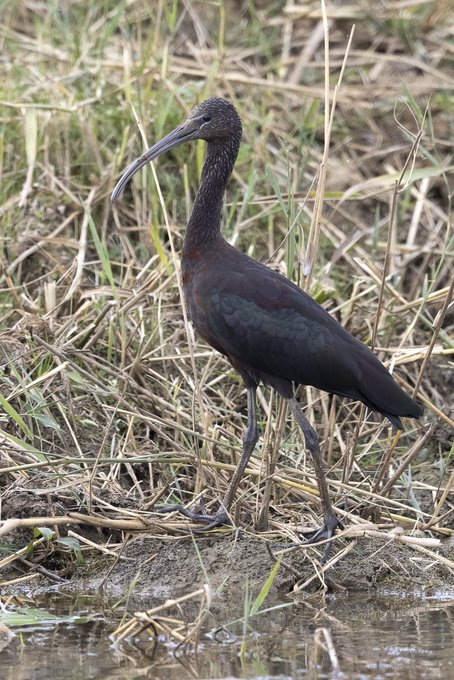
But the star prize was discovered further down the Nene Valley at Summer Leys, just as the week commenced, on 21st. Enter Northamptonshire’s eleventh-ever Glossy Ibis. After spending little more than three hours on the Scrape there, it flew off and that was that – or so it was believed. Early on 22nd, though, it was back for a matter of minutes before again vanishing and reappearing as a fly-past on 24th. Three more days elapsed before it was again seen there on the ground in a landscape drastically changed by extensive flooding. In the meantime, one was reported flying over the A5 north of Towcester at Foster’s Booth, on 23rd.

Far less rare nowadays, the period’s Bitterns were divvied up between Summer Leys, where there were up to two, and Stanford, which held on to its newly acquired individual found last week. All remained throughout. Continuing to maintain a low profile, Cattle Egrets were reduced to two at Stanwick on 21st.

And after none last week, an Osprey drifted over Stanford on 27th, while Marsh Harriers took a tumble down to just the one, regularly visiting Summer Leys throughout the period.

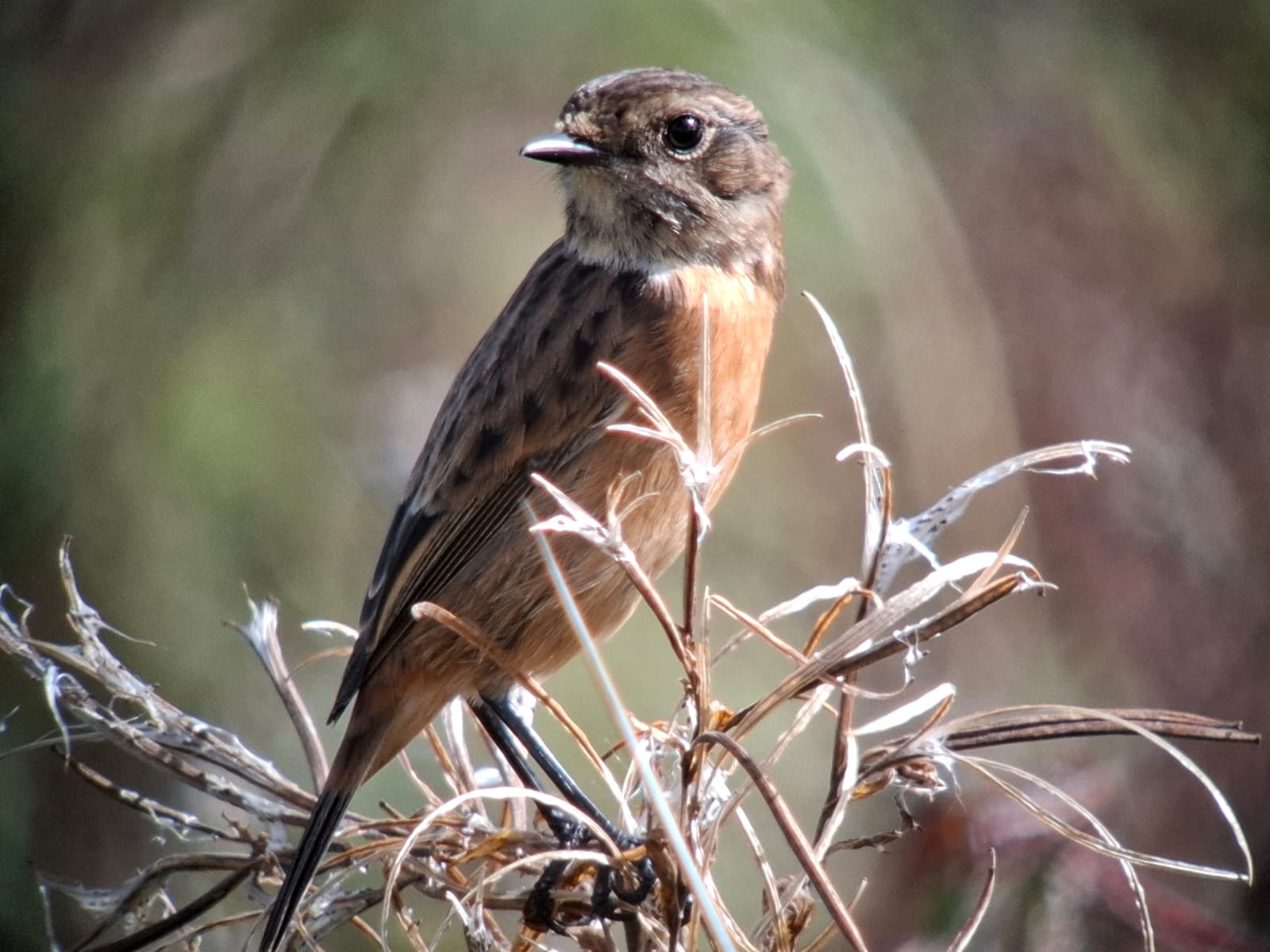
A Whinchat at Hollowell on 25th might well be the last we see of the species this year, having been replaced by Stonechats both moving through and moving in for the winter. Examples of the latter were singles at Summer Leys on 23rd and Boddington on 26th, while two were at Hollowell on 24th-25th.

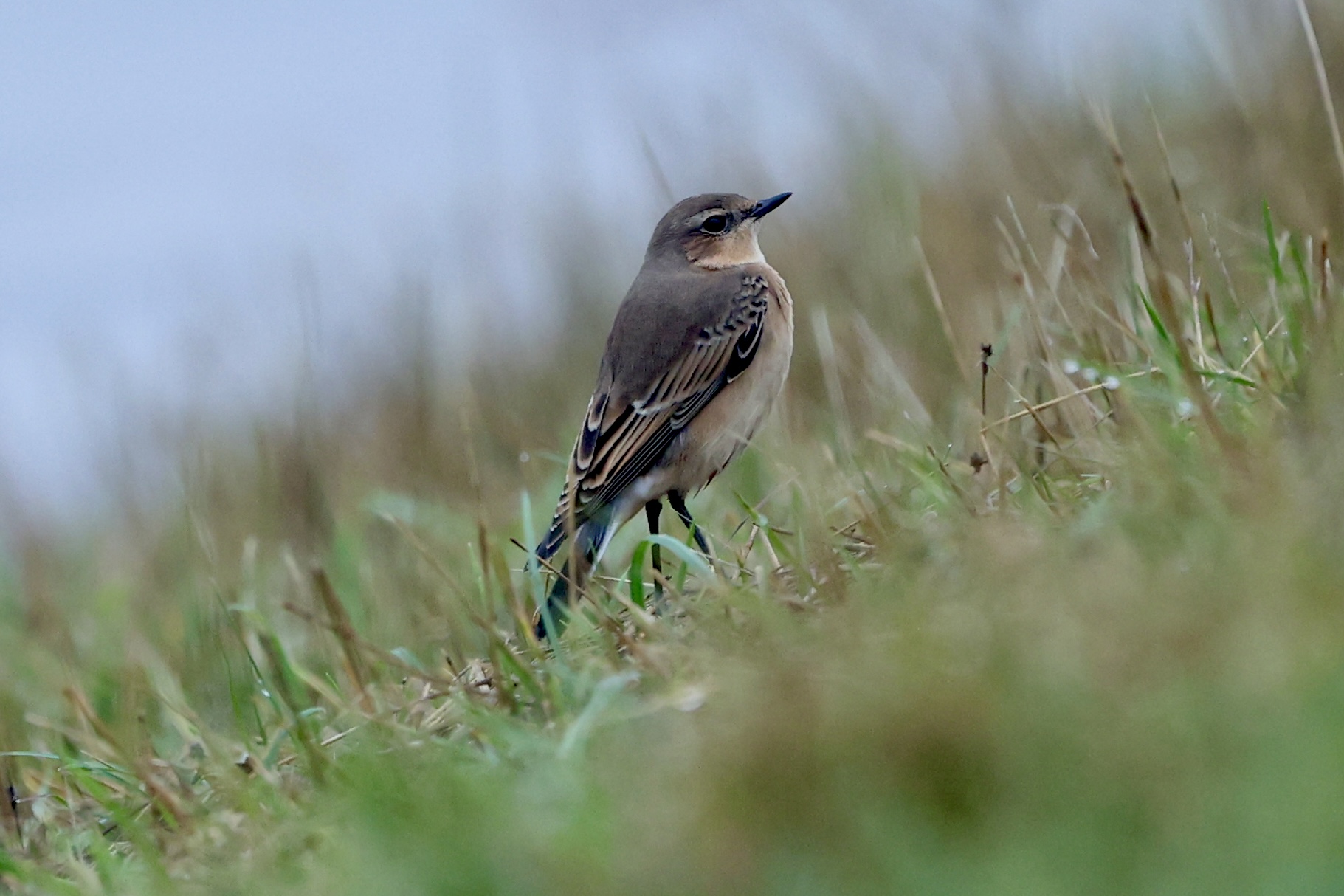
Northern Wheatears were also on the wane, with up to two – possibly three – at Clifford Hill between 24th and 26th.